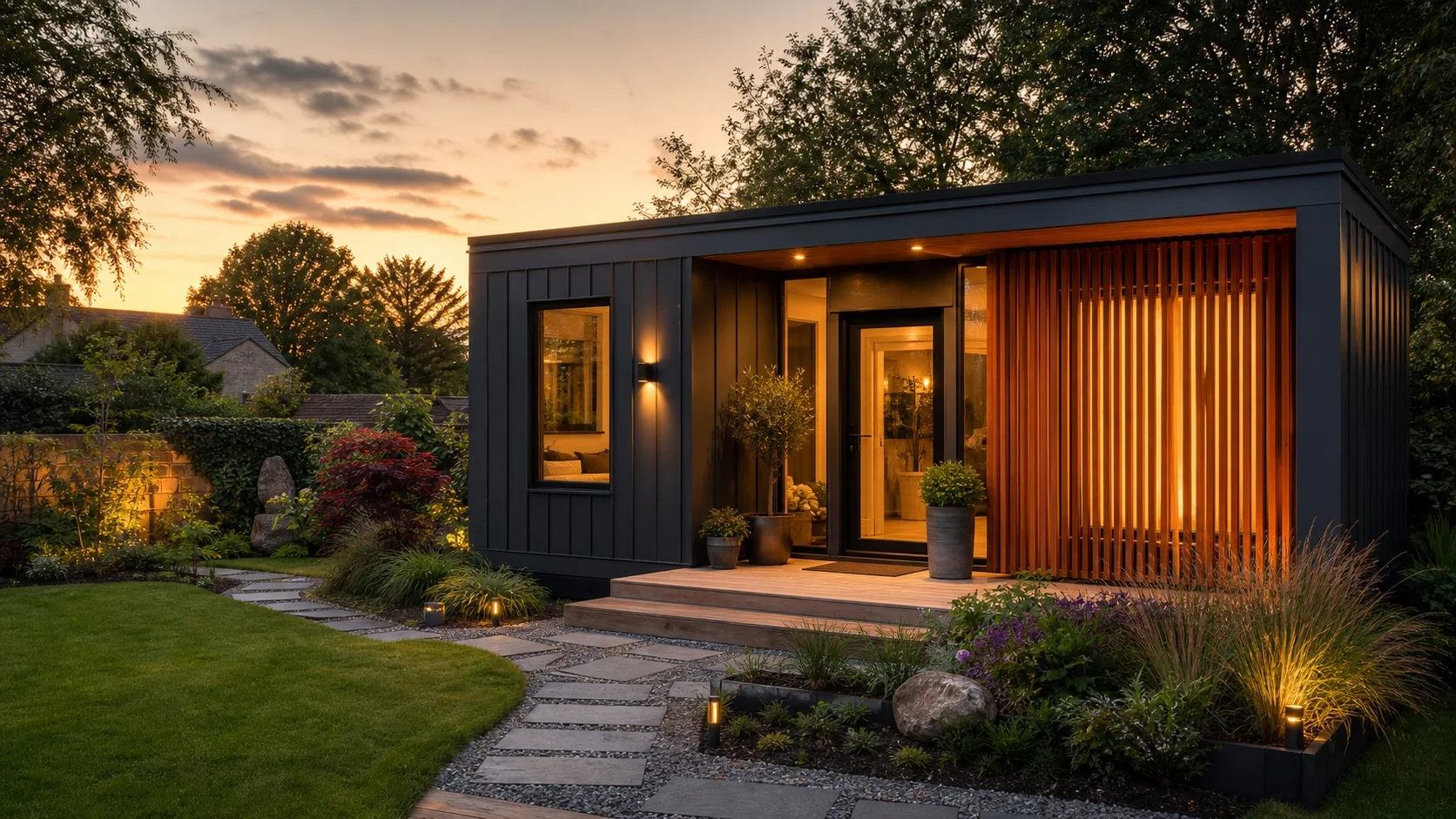
The short answer: probably not. Revenue's Rent-a-Room guidance states that a self-contained unit which is not attached to the property cannot qualify for the relief. A detached back-garden home built under the Class 3A exemption is, by definition, not attached. So plan on the rent being taxed as ordinary rental income. The good news: the RTB has stated that renting a qualifying Class 3A unit is outside its remit, with no RTB registration, and the numbers can still work well.
When this article first ran in June, it said the opposite. Like much of the coverage at the time, including The Irish Times, we expected rent from a garden home linked to the main house's services to fall within Rent-a-Room relief, up to €14,000 a year free of income tax, USC and PRSI. Revenue's published guidance does not support that, so we have rewritten this piece. If you read the earlier version, this is the one to rely on.
What does Revenue say about Rent-a-Room and detached units?
Rent-a-Room relief lets you earn up to €14,000 a year tax-free from renting a room or rooms in your sole or main residence. Revenue's guidance on what type of residence qualifies says the rented space can be a self-contained unit within the house, such as a basement flat or a converted garage. It then adds that if the unit is not attached to the property, it cannot qualify.
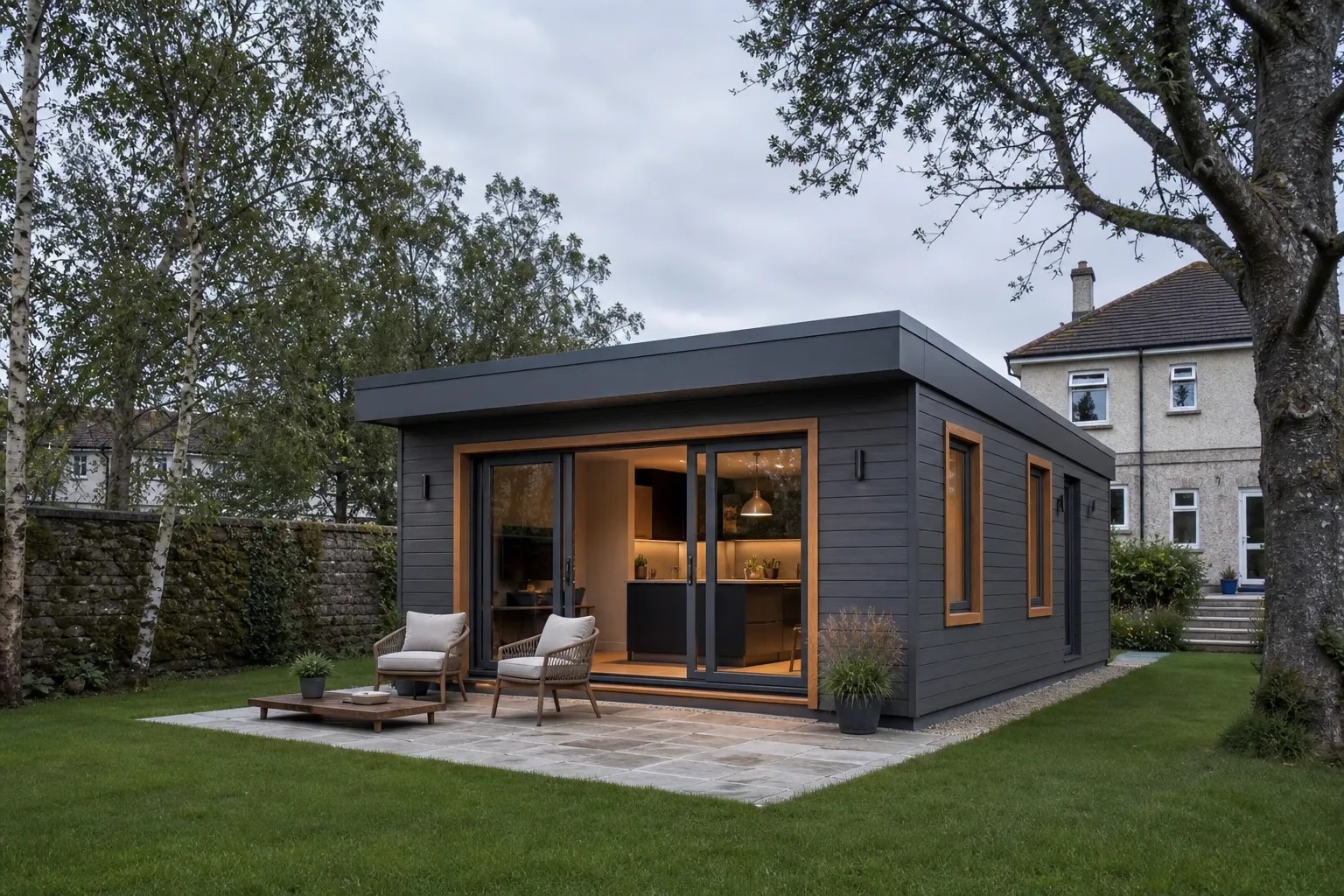
A Class 3A home is a detached dwelling in the rear garden. However closely its services are linked to the main house, it is not attached. On Revenue's current guidance, the relief does not apply.
Two caveats. Revenue could update its guidance for Class 3A homes, and your accountant may know of circumstances that change the picture for you. But no one should buy a garden home on the assumption that the rent will be tax-free.
What does the RTB say?
This is the part that did go the way the early coverage expected. The RTB has stated that where a garden home added from 27 July 2026 qualifies under the Class 3A exemption, renting it out does not come under the RTB's remit and does not need to be registered with the RTB.
The trade-off sits in the planning conditions. A Class 3A home cannot be used for short-term letting, must be occupied with the main house, and cannot be sold or subdivided separately. So the realistic uses are a long-term tenant or family.
What are the real numbers after tax?
Take a unit let long-term to a single tenant or a couple at €1,150 a month. That's €13,800 a year in gross rent. Taxed as ordinary rental income, before allowable expenses, that's roughly:
- Higher-rate taxpayer: about €7,100 a year after income tax, USC and PRSI.
- Standard-rate taxpayer: about €9,900 a year after tax.
Allowable expenses such as insurance, repairs and some finance costs reduce the taxable amount, so the real figure for your situation can be better. Your accountant can run it properly.
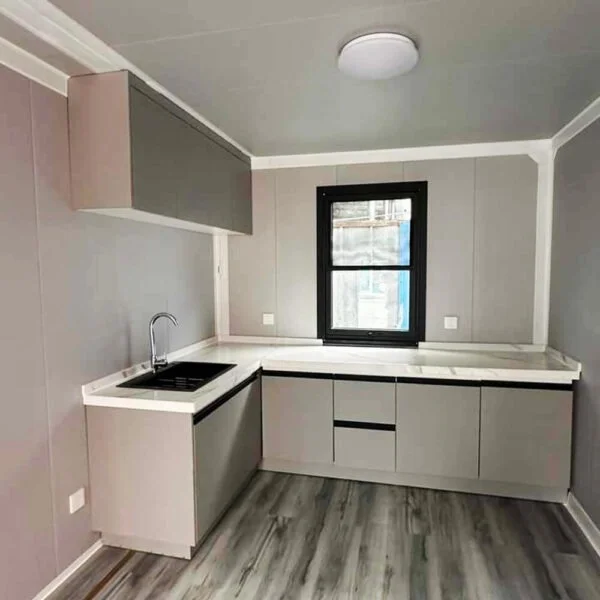
We still won't print a single headline yield percentage, because it would be meaningless without your figure. Your gross yield is simply the annual rent divided by your all-in installed cost, and that cost depends on your foundation, crane access, services run and BER. What we can say is that the entry price is what makes the ratio strong. A 20ft Expandable starts from €12,995 FOB China and reaches a fully fitted, A2-BER home at a fraction of the €110,000–€180,000 an Irish-built equivalent costs. Lower cost in means a better return, taxed or not.
Does it still make sense as an investment?
For the right homeowner, yes, just not as a tax shelter. Compared with a conventional buy-to-let, a garden home needs no second property, no second mortgage and, for a qualifying Class 3A unit, no RTB registration. Compared with money on deposit, even the after-tax return on a low-cost unit is attractive.
It makes less sense if you were counting on the full €14,000 tax-free, if your garden can't meet the Class 3A conditions, or if you need to remortgage soon with a lender that won't accept a second self-contained home on the title.
For many families the better answer isn't a tenant at all. Housing an adult son or daughter, or an older parent, at the end of the garden avoids the rental tax question entirely.
What else should an investor check?
- LPT. Revenue has confirmed a permanent garden home suitable for use as a separate dwelling attracts its own LPT charge, payable even when empty.
- Insurance. Declare the structure to your home insurer before installation, or you risk invalidating cover on the main house.
- Mortgage and resale. Many lenders remain cautious about a second self-contained home on the same title. Many owners fund the unit separately to ring-fence the house mortgage.
- Compliance. A unit that isn't lawfully occupiable can't be lawfully let. Every Class 3A home still needs a Commencement Notice, full Building Regulations compliance, an NZEB-standard BER and a Certificate of Compliance on Completion.
If you want the numbers run for your own site, gross and after tax at your rate, send us your site details. We'll come back with a factory-direct quote, an itemised all-in cost and a straight answer on whether your garden qualifies.
Frequently asked questions
Is rent from a back-garden home tax-free under Rent-a-Room in Ireland?
Plan on it not being tax-free. Revenue's Rent-a-Room guidance states that a self-contained unit which is not attached to the property cannot qualify for the relief. A detached Class 3A garden home is not attached, so its rent should be treated as ordinary taxable rental income, with allowable expenses deducted. Confirm your position with an accountant.
Do I need to register a Class 3A garden home rental with the RTB?
No. The RTB has stated that renting a qualifying Class 3A garden home added from 27 July 2026 does not come under its remit and does not need to be registered. Short-term letting is not permitted under Class 3A.
How much would I keep from renting a garden home?
At €1,150 a month, €13,800 a year gross, a higher-rate taxpayer keeps roughly €7,100 after income tax, USC and PRSI, and a standard-rate taxpayer roughly €9,900, before allowable expenses. Your gross yield depends on your all-in installed cost, which we model against a real quote for your site.