The short answer: since 1 January 2026, the EU's Carbon Border Adjustment Mechanism (CBAM) puts a carbon cost on imports of iron and steel, aluminium, cement, fertilisers, hydrogen and electricity. If your business imports 50 tonnes or less of these goods a year in total, you are exempt. Above that, you must be an authorised CBAM declarant before you cross the threshold, report the embedded emissions, and buy CBAM certificates. Certificates go on sale on 1 February 2027, and the first ones for 2026 imports must be surrendered by 30 September 2027. In Ireland, the EPA runs authorisation and Revenue enforces it at the border.
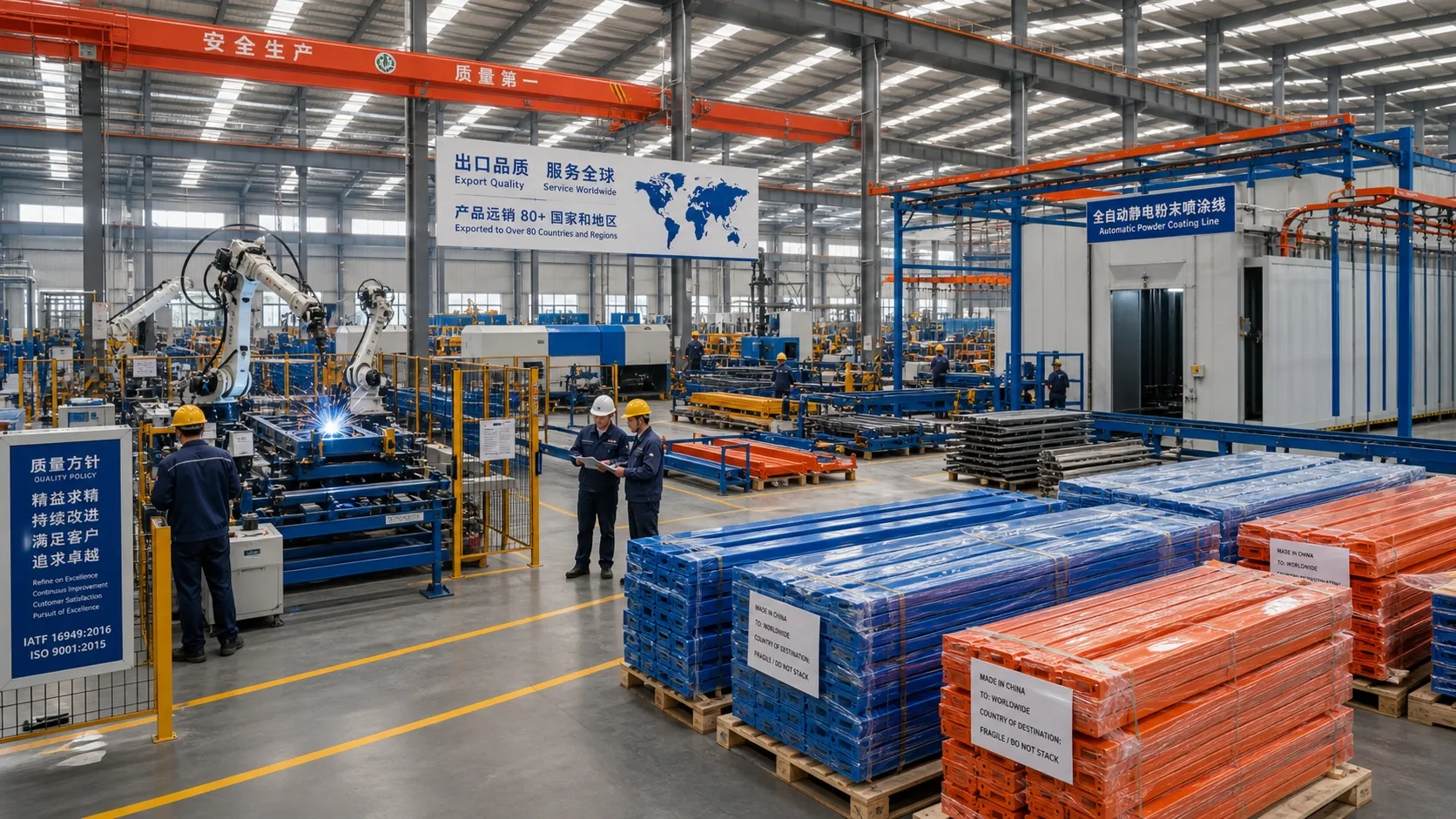
Most Irish SMEs buying finished consumer goods from China will never touch CBAM. But several categories we source for Irish buyers are squarely inside it: warehouse racking and steel structures, steel fasteners, steel tube and pipe, and aluminium profiles and extrusions. If you import those in any volume, this is worth ten minutes now rather than a surprise at Dublin Port.
What is CBAM?
CBAM is the EU's carbon border tax. EU manufacturers of steel, aluminium and cement pay for their carbon emissions under the EU Emissions Trading System. CBAM applies a matching cost to the same goods made outside the EU, so imports don't undercut EU producers simply by coming from places with cheaper carbon.
From October 2023 to the end of 2025 it ran in a transitional phase: importers reported emissions, but paid nothing. The definitive phase started on 1 January 2026. Now there is a real financial obligation, although the first payment isn't due until 2027.
Which goods from China are covered?
CBAM applies to specific customs codes, not to "anything made of steel". The groups most relevant to Irish buyers sourcing from China are:
- Iron and steel: steel products, tubes and pipes, and many articles of steel, including structures and parts of structures (the heading that covers most pallet racking and steel frameworks), screws, bolts and other fasteners, and a range of other steel articles.
- Aluminium: unwrought aluminium, bars, rods and profiles, plates and foil, tubes, and aluminium structures and parts of structures.
- Cement, fertilisers, hydrogen and electricity, which are rarely part of a typical Irish SME order from China.
Plenty of steel-containing goods are outside the list: machinery, vehicles, most finished consumer products, and prefabricated buildings classified as complete buildings. Classification is everything. The same steel frame can fall inside or outside CBAM depending on whether it's declared as a prefabricated building or as steel structures shipped in parts. Get your commodity codes confirmed by a customs broker before you order. The Commission has also proposed extending CBAM to more downstream products from 2028, so the list may grow.
Does the 50-tonne exemption cover you?
The EU's 2025 simplification package added a mass-based threshold. If the total weight of all your CBAM goods, excluding electricity and hydrogen, stays at 50 tonnes or less per calendar year, you are exempt from CBAM reporting, declarations and certificates.
Fifty tonnes sounds like a lot until you import steel. A full 40ft container of steel racking or structural steel can easily weigh 20 tonnes or more. So two or three containers a year can take you over the line. Fasteners and aluminium profiles are lighter per order but add up quickly over a year.
The threshold is cumulative across the calendar year and across all your CBAM goods. Track it from your first shipment in January, not when you think you might be close.
What if you import more than 50 tonnes?
Then you need to be an authorised CBAM declarant, and you must apply before you exceed the threshold. In Ireland, the Environmental Protection Agency is the national CBAM authority and assesses applications. Revenue will not release CBAM goods above the threshold to an importer who isn't authorised. Importers who applied by 31 March 2026 could keep importing while their application was assessed. If you're applying now, apply before the shipment that would take you over 50 tonnes.
Once authorised, you must:
- Collect emissions data from your Chinese supplier. Every CBAM good has embedded emissions from its production. You need verified actual figures from the factory or, where those aren't available, the EU's default values, which are deliberately set high.
- File an annual CBAM declaration covering the goods you imported in the previous year and their embedded emissions.
- Buy and surrender CBAM certificates to cover those emissions. Sales open on 1 February 2027, and certificates for 2026 imports are due by 30 September 2027. The price tracks the EU carbon price.
How much will CBAM cost?
Less than many importers fear in the early years, rising steadily after that. The CBAM charge phases in as the EU withdraws free carbon allowances from its own producers between 2026 and 2034. In 2026 only a small share of the embedded emissions actually needs covering, and that share rises every year.
Two things make the biggest difference to your bill. First, actual emissions data from the factory: default values are designed to be punitive, so a supplier who can document real, lower emissions saves you money. Second, any carbon price already paid in China can be deducted, where it can be evidenced.
What should Irish importers of Chinese steel do now?
- Check your codes. List every product you import and confirm with your broker which fall under CBAM headings.
- Weigh last year's imports. If your CBAM goods came to more than 50 tonnes in total, you need authorised declarant status for this year.
- Apply through the EPA before your next shipment takes you over the threshold.
- Ask your factories for emissions data now. Chinese steel and aluminium producers that export to Europe are increasingly used to this request. A factory that can't or won't provide it will cost you more under default values.
- Build CBAM into landed cost. For 2026 onwards, add a CBAM line to your landed cost model for any covered goods, even if the first payment isn't until 2027.
Getting emissions data out of a Chinese factory, in a form an EU verifier will accept, is exactly the kind of job that's hard to do from Dublin. If you import racking, steel structures, fasteners or aluminium profiles from China, talk to us. Ériu Sourcing works with steel and aluminium factories in Henan and Guangdong and can request the data you need as part of the order.
This article is general guidance, not legal or tax advice. CBAM rules are still being refined, so check the current position with the EPA, Revenue or your customs broker before you rely on it.
Frequently asked questions
Does CBAM apply to small Irish importers?
Not if your total imports of CBAM goods (iron and steel, aluminium, cement and fertilisers) are 50 tonnes or less in a calendar year. Below that threshold you are exempt from CBAM reporting, declarations and certificates.
Who runs CBAM in Ireland?
The Environmental Protection Agency is the national competent authority and assesses applications for authorised CBAM declarant status. Revenue enforces it at import and will not release CBAM goods above the 50-tonne threshold to an importer who is not authorised.
When do CBAM certificates have to be bought?
CBAM certificates go on sale on 1 February 2027. Certificates covering goods imported during 2026 must be surrendered by 30 September 2027.
Is warehouse racking from China covered by CBAM?
Usually, yes. Steel racking is normally classified as steel structures or parts of structures, which is a CBAM heading. Confirm the exact commodity code with your customs broker.