
Industrial & workshop equipment from China for European SMEs and fabricators
China is now a core supplier of the equipment small and mid-sized manufacturers run every day, metal-forming and CNC cutting machines, dust extraction and filtration, and complete grain and food processing lines. Henan, and the Zhengzhou–Kaifeng–Xingyang corridor in particular, is a genuine industrial-machinery cluster with decades of export history. From that base, Ériu Sourcing helps European SMEs and fabricators buy directly from proven factories, with technical filtering, factory audits, QC and logistics handled on the ground, and compliance built into the process rather than bolted on at the end.
Last reviewed:
- 30–50% Typical saving vs Irish wholesale
- 18 yrs China factory experience
- 8–16 wks Typical lead time to Ireland
- Per machine / line Min. order range
Where industrial & workshop equipment is made in China
Henan, Zhengzhou–Kaifeng–Xingyang industrial-machinery cluster + coastal makers
This is not a generic "made in China" pitch, it is a specific cluster. The Xingyang district near Zhengzhou has been a base for mineral, cement and heavy-process equipment since the 1950s (one local manufacturer has built kilns, crushers and dust collectors there since 1956), and the wider Henan region exports CNC plasma and flame cutting tables, press brakes and roll-forming lines, baghouse and cartridge dust collectors, and complete wheat and maize milling plants. Some machine categories are made in coastal provinces too, and we work with factories there directly. Operating from Zhengzhou lets us audit the Henan factories on our doorstep and route finished equipment through a national rail-air hub, rail reaches European terminals in roughly 12–18 days against 30–40 by sea.
See our full China network →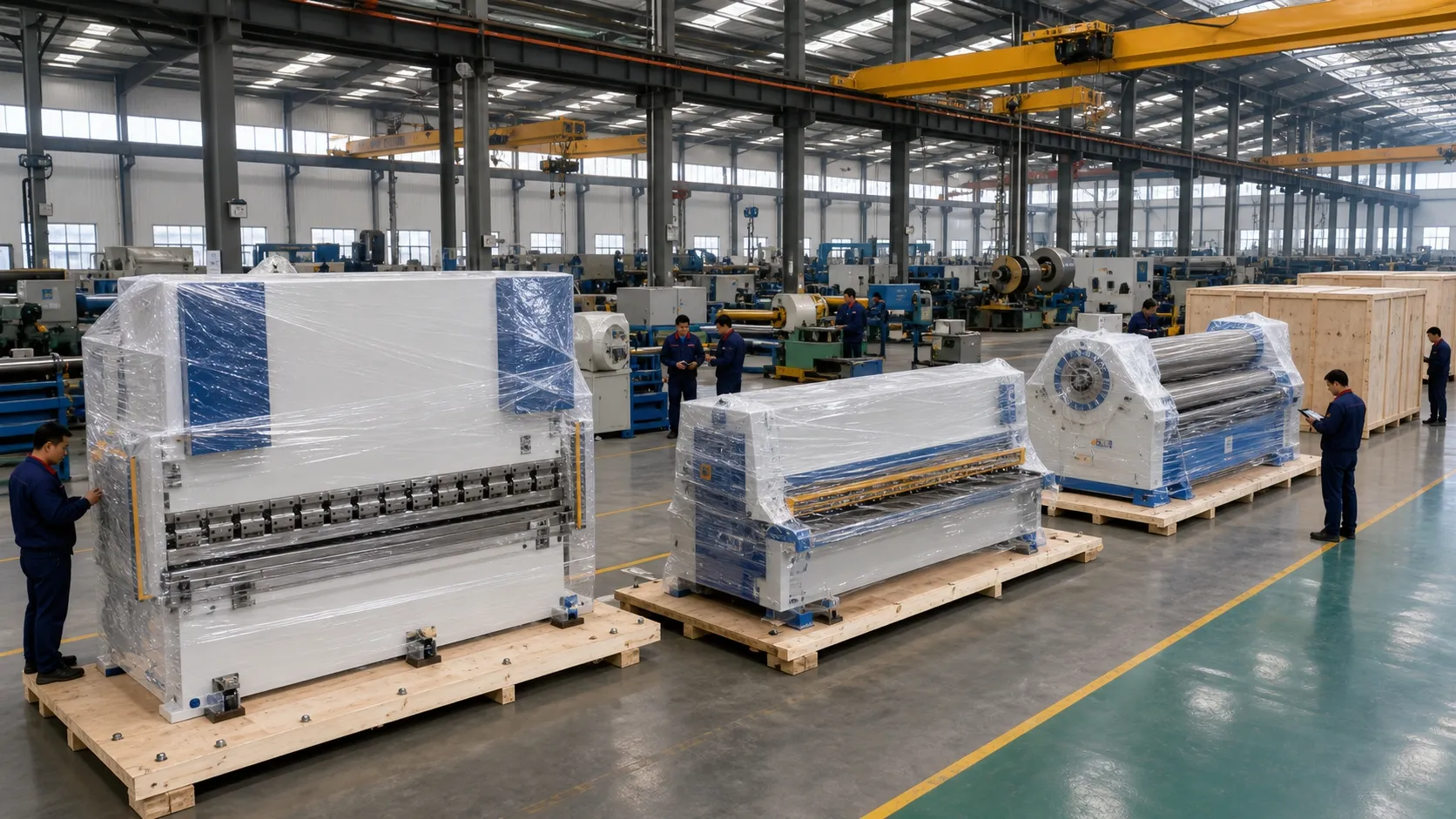
Industrial & Workshop Equipment, products we source directly
- ✓ Metal fabrication & forming, CNC plasma/flame cutting tables, press brakes, shears, plate rolls, gantry milling, lathes, shot-blasting
- ✓ Cold roll-forming, colour-steel roof/wall sheet, C&Z purlin, floor deck, guardrail and sandwich-panel lines
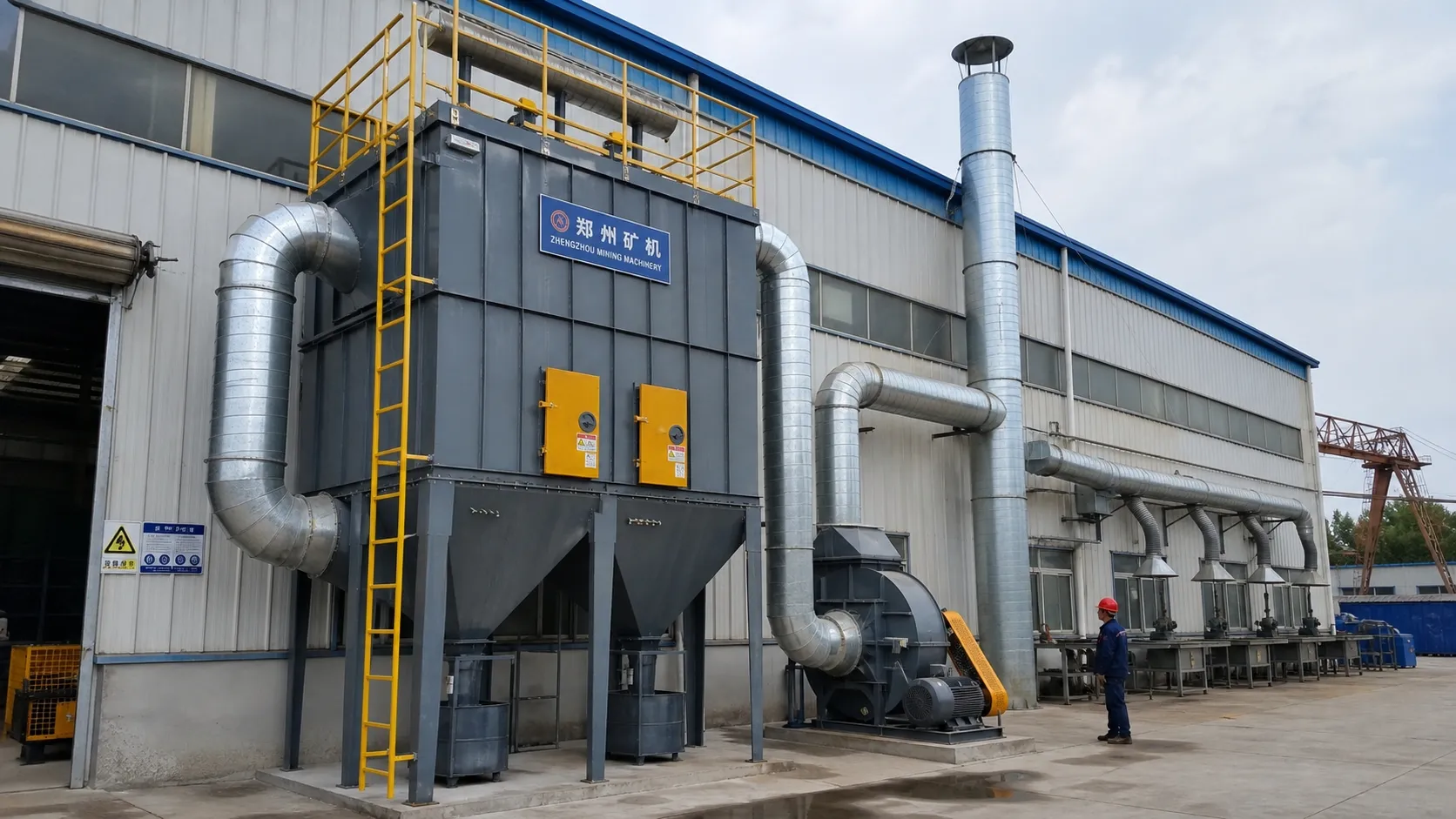
- ✓ Dust extraction & filtration, baghouse and cartridge collectors, cyclones, dry dust-collection sized for workshops and process plants
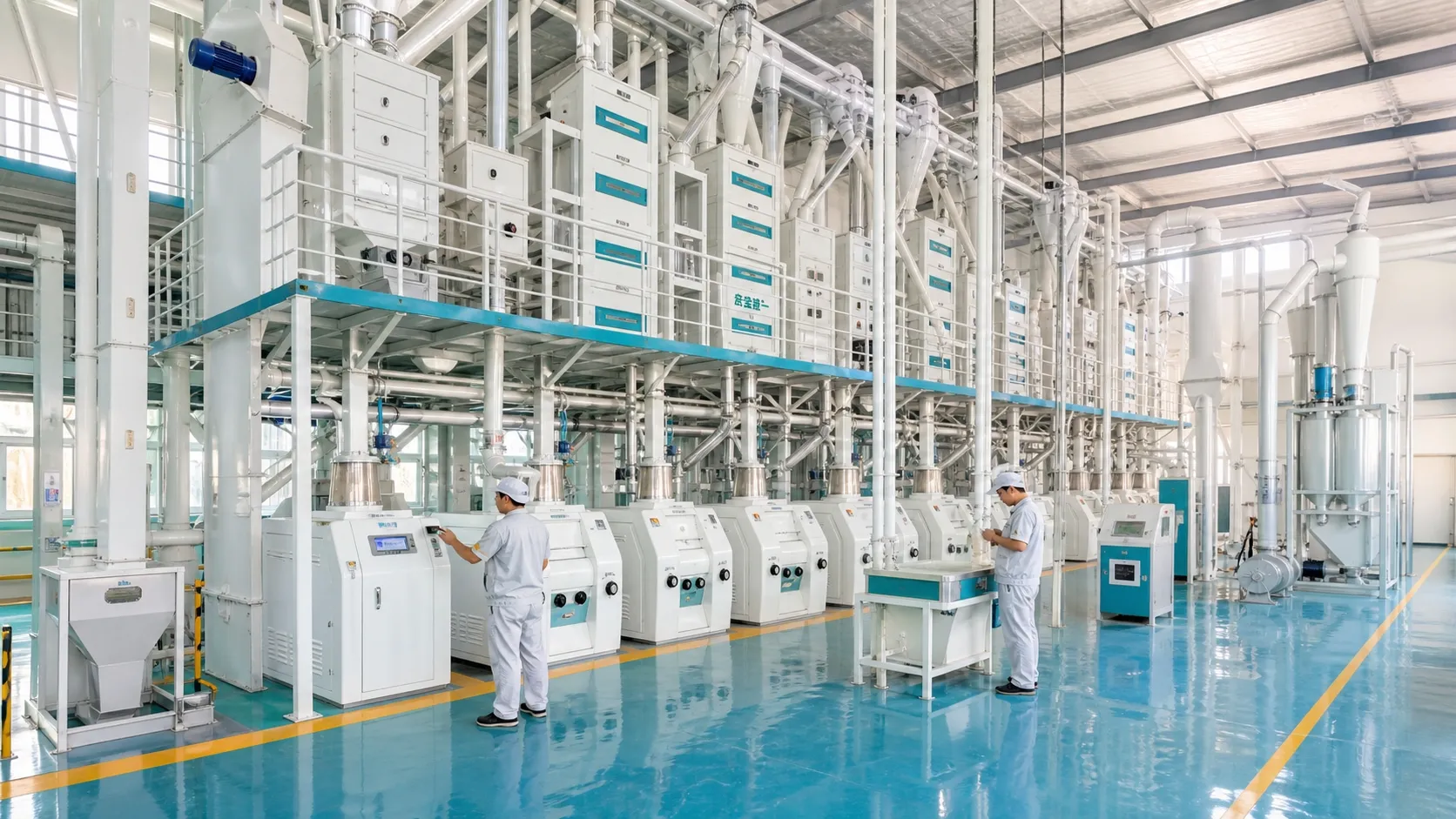
- ✓ Grain & flour milling, complete wheat/maize lines (from ~30 up to 200+ T/D): cleaning, milling, sieving, packing, plus peelers and polishers
- ✓ Drying, grinding & process, industrial dryers, food/spice pulverisers, mixers, granulators and packaging equipment
CE compliance verified at source, not at Dublin Port
Industrial machinery for the EU is governed by the Machinery Directive 2006/42/EC, and, for machines placed on the market from 20 January 2027, the new Machinery Regulation (EU) 2023/1230, which adds digital, software and cybersecurity requirements. Depending on the machine, EMC, Low Voltage and ATEX (potentially explosive atmospheres) directives also apply, and food/grain equipment carries food-contact-material obligations (Regulation (EC) 1935/2004) and hygienic-design expectations. Combustible dust, including grain and flour dust, makes ATEX a genuine safety issue, not a box-tick. We verify documentation and the underlying machine against the exact configuration; the importer remains responsible for placing it on the market and for safe installation.
Every order includes full compliance documentation. Goods that do not meet Irish and EU standards stay in China at the factory's cost, you do not pay freight on non-compliant products.
Ask about compliance documentation →From your brief to goods landed in Ireland
Send a brief
Product name, quantity, quality grade, and target price. A photo or reference product is helpful. No commitment required to get a quote.
Factory identification
We identify and physically visit shortlisted industrial & workshop equipment factories in Henan, Zhengzhou–Kaifeng–Xingyang industrial-machinery cluster + coastal makers. Factory-gate pricing negotiated directly.
Pre-shipment QC
Finished goods inspected at the factory before the container is sealed. Compliance documentation verified. Failed goods stay in China.
Freight to Ireland
Sea freight from China to Ireland in 8–16 wks. Full documentation for Dublin Port customs clearance provided.
Sourcing industrial & workshop equipment from China, the full picture
We focus on four high-leverage equipment families where Chinese factories already export at scale and often offer OEM/ODM work: metal fabrication and forming, dust extraction and filtration, grain and food milling, and drying/grinding/process equipment. These are categories a European SME can realistically buy direct, provided someone competent filters the suppliers, audits the factory, and verifies the machine and its documentation before it ships.
Why source industrial equipment from China
The pull is capex. China's integrated steel, motor and controls supply chains mean a CNC cutting table, a roll-forming line or a flour mill is typically built at a substantial discount to a comparable Western or established-brand machine, indicatively 30–50% on the equipment itself, though it varies enormously by category and specification. We treat that as real but conditional: the saving only survives if the machine is well-built, properly supported, and compliant. A cheap machine you cannot get spares or service for is not cheap, which is why we compare on total cost of ownership, not the sticker.
The Henan cluster, honestly
The Zhengzhou–Kaifeng–Xingyang corridor is a real industrial-machinery base, not a marketing label. Xingyang has produced mineral, cement and heavy-process equipment, including dust collectors, since the 1950s, and Henan factories export metal-forming machines, roll-forming lines and complete grain-milling plants today. We name the cluster rather than parade a list of supplier logos, because the specific size and export-country claims factories put on their own profiles need verifying case by case, which is exactly the audit work we do before recommending anyone. More on Zhengzhou and Henan as a base →
Compliance is built in, not bolted on
Industrial machinery placed on the EU market needs CE marking under the Machinery Directive 2006/42/EC, and from 20 January 2027, the new Machinery Regulation (EU) 2023/1230, which for the first time folds in software, updates and cybersecurity. Depending on the machine, EMC, Low Voltage and ATEX directives apply, and food and grain equipment carries food-contact-material obligations and hygienic-design expectations. Because production lead times plus shipping can run into months and the equipment then serves for years, the 2027 transition is a live planning issue now, not a future one.
The risk that catches buyers out: support, spares and commissioning
With capital equipment, the machine arriving is only half the job. The failures we see come after delivery, no clear consumable supply (plasma torch consumables, filter bags, mill rolls), thin documentation, electrical components that cannot be serviced locally, or a machine that was never properly accepted before it left the factory. We build in factory acceptance testing on representative material, documentation and consumable checks, and a realistic plan for installation, power and commissioning at your end, because a five- or six-figure machine that sits idle waiting for a part is the most expensive kind of saving.
If you have an upcoming investment in workshop or processing equipment, share the basics, throughput, material, budget, and we will outline a short list of Chinese options worth considering, with realistic compliance and audit paths and an honest read on total cost.
Industrial & Workshop Equipment, sourcing questions answered
What industrial and workshop equipment can you source from China?
Four families: metal fabrication and forming (CNC plasma and flame cutting tables, press brakes, shears, plate rolls, gantry milling, lathes, shot-blasting); cold roll-forming lines (colour-steel sheet, C&Z purlin, floor deck, guardrail, sandwich panel); dust extraction and filtration (baghouse and cartridge collectors, cyclones); and grain, flour and food processing (complete wheat/maize milling lines from around 30 up to 200+ T/D, plus dryers, pulverisers, mixers and packaging). These are categories where Henan and other Chinese factories already export extensively and often offer OEM/ODM work.
How much can an SME really save buying machinery from China?
Indicatively 30–50% on machine capex versus comparable Western or established-brand equipment, but it varies enormously by category and specification, and it is only a real saving if the machine is well-built, compliant and properly supported. We compare on total cost of ownership, equipment, freight, installation, spares, consumables and service, because a machine you cannot get parts or support for is not cheap at any price. We quote against your actual specification rather than a headline percentage.
Is Chinese industrial equipment CE-compliant for the EU and UK?
It must be, and the rules are changing. Machinery placed on the EU market needs CE marking under the Machinery Directive 2006/42/EC, and from 20 January 2027, the new Machinery Regulation (EU) 2023/1230, which adds software and cybersecurity requirements. EMC, Low Voltage and ATEX directives apply depending on the machine, and food/grain equipment carries food-contact and hygienic-design obligations. Export-focused factories increasingly hold ISO 9001 and market CE-marked equipment, but we verify the documentation and the machine against the exact configuration rather than trusting a CE label.
Why does ATEX matter for dust collectors and grain mills?
Because combustible dust explodes. Grain and flour dust, and the dust from grinding and mineral processing, can form explosive atmospheres, there are an estimated 400–500 explosions a year at grain-processing facilities worldwide. That makes ATEX-rated design, explosion isolation and venting a genuine safety requirement on dust-extraction and milling equipment, not an optional extra. We make sure dust and explosion control is specified into the equipment from the start, and that the documentation supports it.
How does an industrial equipment sourcing project run end to end?
We clarify requirements (throughput, material, product specs, safety/ATEX zones, regulatory environment), identify capable factories in Henan and other provinces by product type and export history, run or commission a factory audit covering quality systems, capacity, engineering and calibration, then coordinate sampling and factory acceptance testing (FAT) on representative material. We oversee production, pre-shipment inspection and documentation checks, and plan logistics via Zhengzhou's rail/air corridors or coastal ports, typically 8–16 weeks depending on the machine and freight mode.
What buyers say about sourcing industrial & workshop equipment with us
Noel helped us source a large shredder to recycle mattresses. He visited and verified the factory, gave us a walkaround of the production area over WhatsApp, checked the shredder before shipping and also helped us with the shipment to Ireland. It was great to have an Irish person on the ground to explain things to.
M. Byrne Mattress recycling · Co. Longford, Ireland Verified client
Get factory-direct industrial & workshop equipment pricing for your business
Send a brief, product, quantity, timeline. We come back with factory-level pricing, a supplier shortlist, and a clear plan. No obligation.