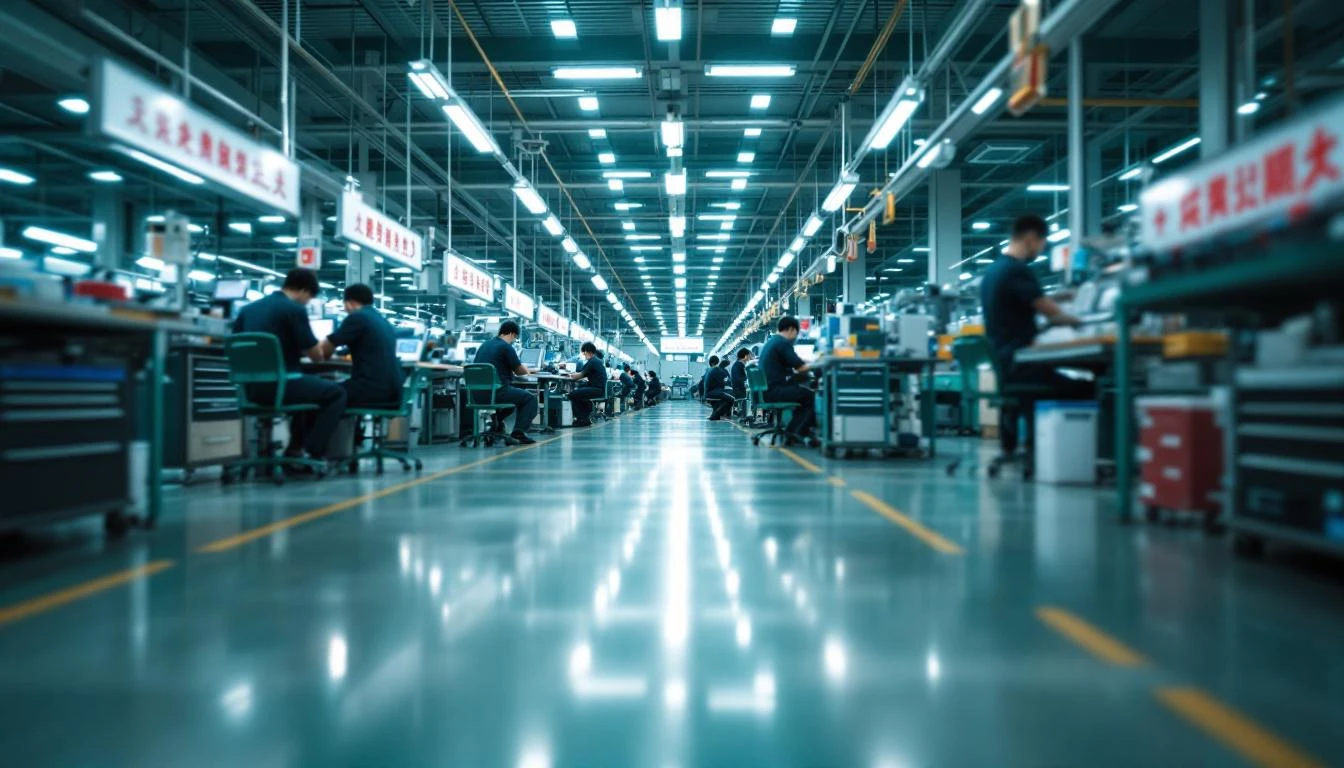
"Sourcing agent" is one of the most abused terms in international trade. It is claimed by genuine on-the-ground operators with offices, staff and factory relationships in China, and by people with a laptop, a Gmail address and an Alibaba account who simply forward your enquiry to a supplier and add a margin.
The difference matters, because you are trusting this person with your deposit, your specification and your delivery date. This guide explains what a real China sourcing agent actually does for an Irish business, what it should cost, and how to tell the operators from the middlemen before you commit.
What a sourcing agent does (and does not do)
A sourcing agent is your representative on the ground in China. Their job is to do the things you cannot do from Ireland: stand in the factory, speak to the owner in Mandarin, inspect the goods before they ship, and manage the relationship through the awkward moments, a failed inspection, a delayed line, a price that needs renegotiating.
What a sourcing agent does not do is act as a passive email relay. If your "agent" only ever sends you supplier quotes and never visits a factory, never produces an inspection report, and cannot tell you the difference between the manufacturer and the trading company you are talking to, you are paying a margin for nothing. A real agent reduces your risk; a middleman just inserts themselves into your supply chain.

Factory identification and vetting
Anyone can find a factory on Alibaba. The value is in finding the right one and confirming it is real before you pay. A good agent shortlists suppliers against your actual specification, then verifies each one: checking the business licence and business scope through China's SAMR public registry, confirming export history, running a live video tour of the production floor, and, for larger orders, arranging a physical audit. The output you should receive is a written recommendation, not just a list of names.
This is where local presence is non-negotiable. The SAMR database is in Chinese. Factory owners discuss capacity and lead times candidly with someone who can visit, far less so over email with an overseas buyer. An agent who already knows a factory's reputation has done years of this work before your brief ever arrives.
Price negotiation, what is realistic
A sourcing agent will not magically halve your unit price. What they will do is make sure you are paying the factory's real price rather than a trading company's marked-up one, and that the quote is structured fairly, correct Incoterms, sensible MOQ, tooling costs separated out, and payment terms that protect you.
Be wary of anyone promising dramatic savings through "special relationships." The honest version is this: going factory-direct typically removes the layers of margin added by trading companies and importers, and a good agent holds the line on specification so you are not quietly downgraded to cheaper materials to hit a headline price. The saving is real, but it comes from cutting out middlemen and enforcing quality, not from a secret discount.
Sampling management
You should never place a production order against a stock sample from a factory's existing range. A competent agent manages the sampling process properly: commissioning a sample made to your specification, evaluating it against a written checklist, and iterating until it is right. The sample stage also tells you something money cannot buy, how responsive and precise the factory is before they have most of your cash.
Pre-shipment quality control
This is the single most valuable thing a sourcing agent does, and the step amateur middlemen skip. Before the balance is paid and the goods are loaded, an inspector physically checks the production run against your specification, dimensions, materials, function, finish, packaging and quantity, and produces a report with photographs.
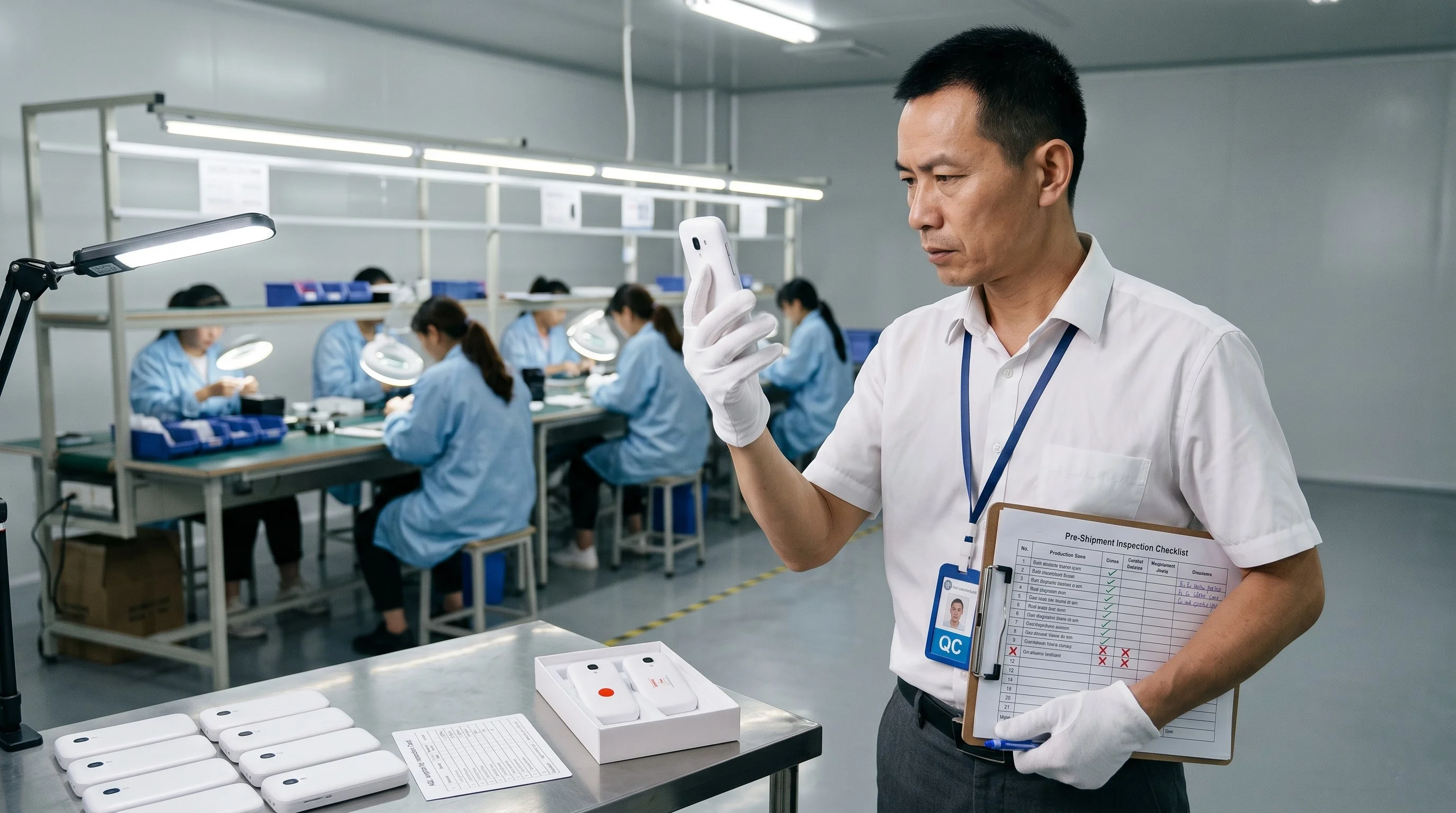
The timing is deliberate. Catching a defect while the goods are still on the factory floor means the factory fixes it because they want the final payment. Catching the same defect when the container arrives in Dublin means an expensive, often hopeless, dispute across 9,000 kilometres.
CE compliance verification
For most products entering the Irish and EU market, electronics, machinery, toys, PPE, construction products and more, CE marking is a legal requirement, and responsibility for compliance sits with the importer placing the goods on the market, not the Chinese factory. A genuine sourcing agent verifies that the required conformity documentation actually exists and stands up: the right directives, real test reports, and a Declaration of Conformity, not just a CE logo printed on the box.
This protects you from the worst-case outcome: a container detained at the port, or worse, a product recall after a compliance failure. Verifying documents at the factory, against the exact configuration you are buying, is far cheaper than discovering the gap at customs.
Freight coordination
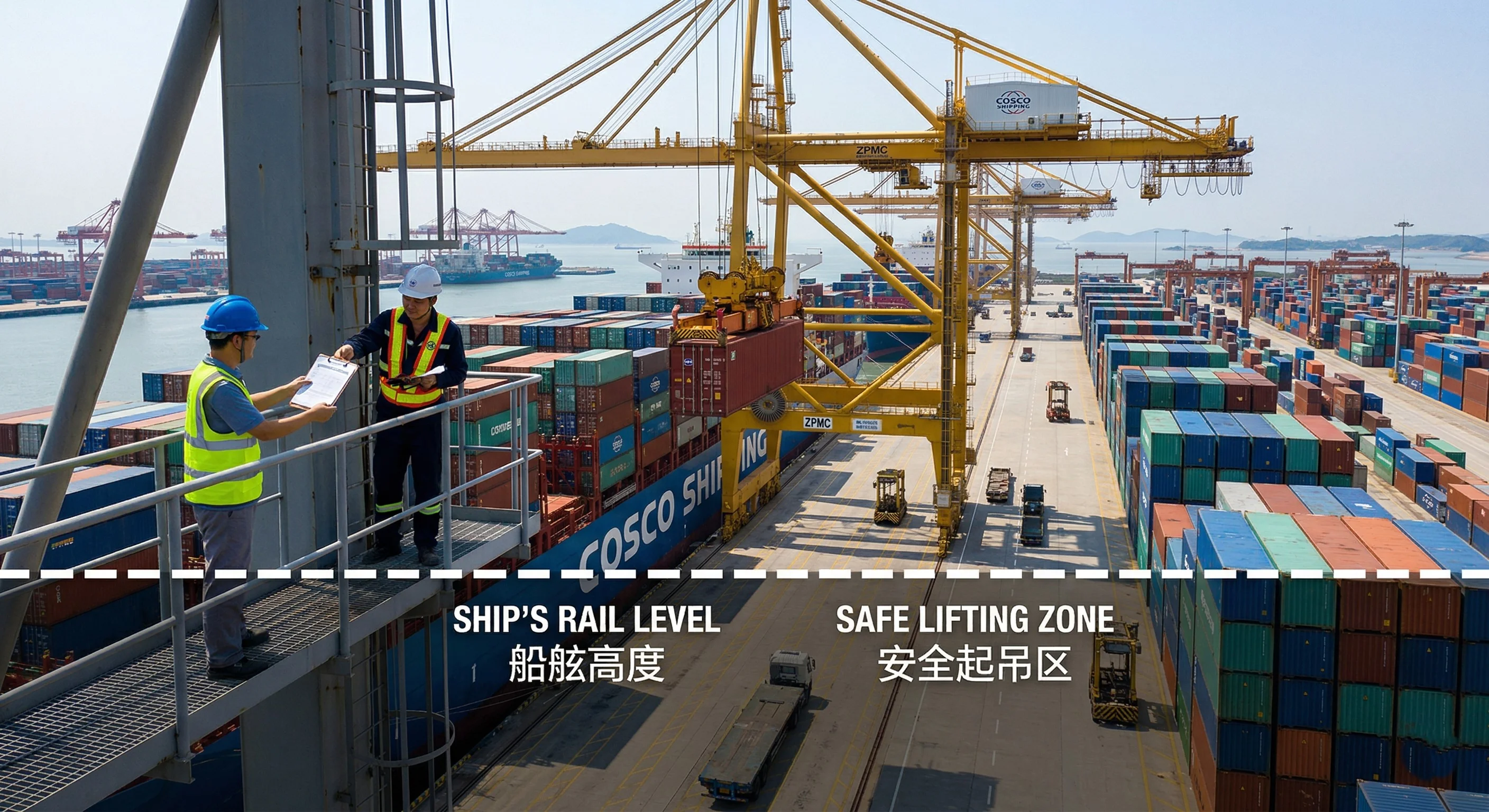
Once goods pass inspection, they have to get to Ireland. A sourcing agent coordinates the freight, consolidating shipments, arranging sea or rail, handling export documentation, and lining up the paperwork your customs broker needs at the Irish end. Done well, this removes a whole category of stress and avoids the demurrage and clearance delays that catch first-time importers.
How sourcing agents charge (commission vs fee)
There are two models, and the difference affects whose side your agent is really on.
Commission, typically 3–8% of order value. It is simple, but it carries a structural conflict of interest: the agent earns more when your order costs more, which is the opposite of what you want from someone meant to be driving your price down.
Fixed fee, a set charge per project or a retainer. This aligns the agent's incentive with yours: they are paid to find the best supplier and the best price, not the most expensive one. For most Irish buyers, a transparent fixed-fee structure is preferable. Whichever model you choose, the fee structure should be stated in writing up front. An agent who is evasive about how they make money is telling you something.
Red flags: how to spot a fake sourcing agent
A few signals separate a genuine operator from a middleman with a nice website:
- No verifiable physical presence in China. A real agent has an address, a team and the ability to be at a factory this week, not just an email account.
- They cannot or will not visit factories. If their answer to every question is to forward you an Alibaba link, they are not sourcing anything.
- No inspection capability. If they cannot produce a pre-shipment inspection report with photos, they are not managing your quality risk.
- Opaque fees. Hidden margins or refusal to explain the commission structure means you do not actually know what you are paying for.
- Pressure to commit fast. Legitimate agents let the verification process run its course. Urgency is a sales tactic, not a sourcing one.
Used well, a sourcing agent is the cheapest insurance an importer can buy: someone whose job is to stand between your money and everything that can go wrong between a quote in Shenzhen and a pallet in your warehouse in Ireland. Ériu Sourcing operates from Zhengzhou and Shenzhen with 18 years of factory relationships, if you want to see what that looks like on a live brief, read how our process works or get in touch.
Frequently asked questions
How much does a China sourcing agent charge?
Sourcing agents typically charge either a percentage commission (3–8% of order value) or a fixed service fee per project. Commission-based agents present a conflict of interest, they earn more when order values are higher. Fixed-fee agents are generally preferable for Irish buyers as their incentive is aligned with finding the best supplier, not the most expensive one.
How do I know if a China sourcing agent is legitimate?
Legitimate sourcing agents have a physical presence in China (verifiable address), can provide references from existing clients, are transparent about their fee structure, and do not pressure you into rapid commitments. They will offer to provide a factory visit report with photos and documentation. Agents who cannot visit factories or who redirect you to Alibaba are not sourcing agents.